Your cart is currently empty!
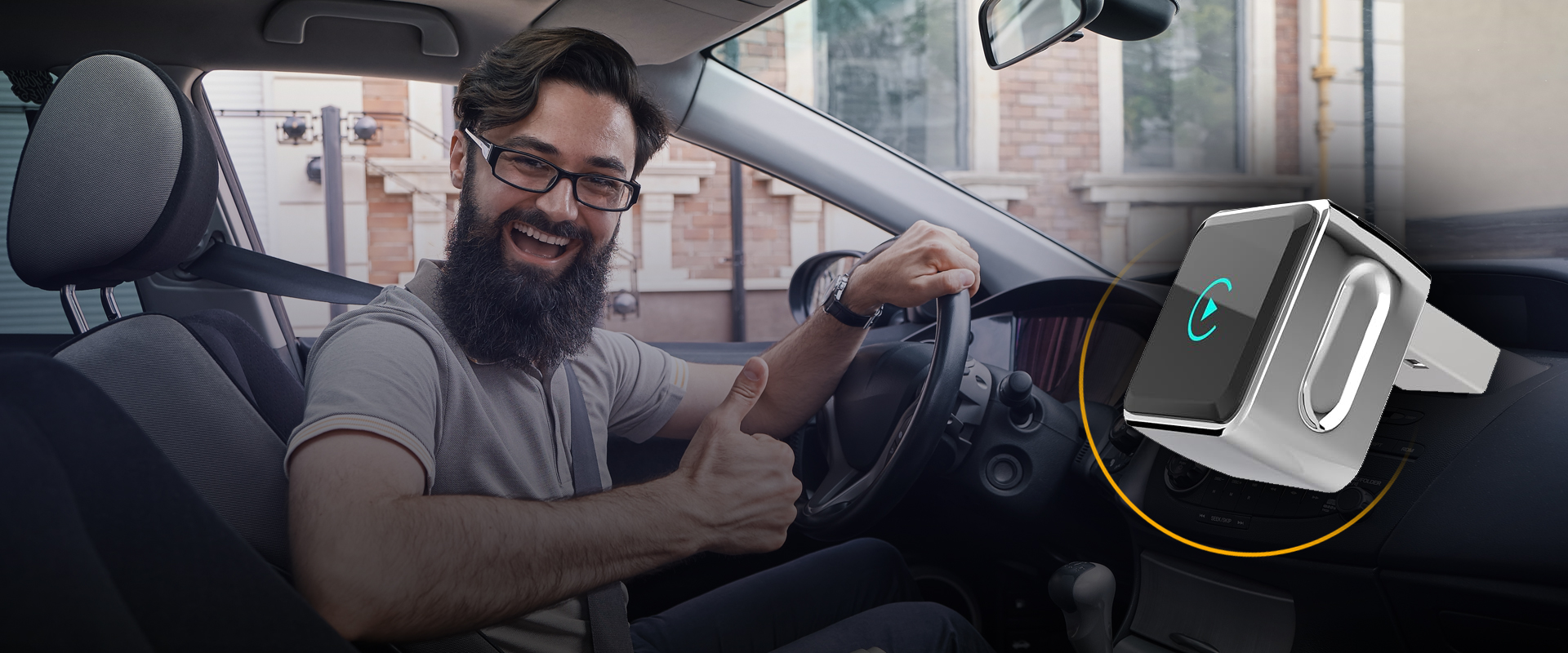
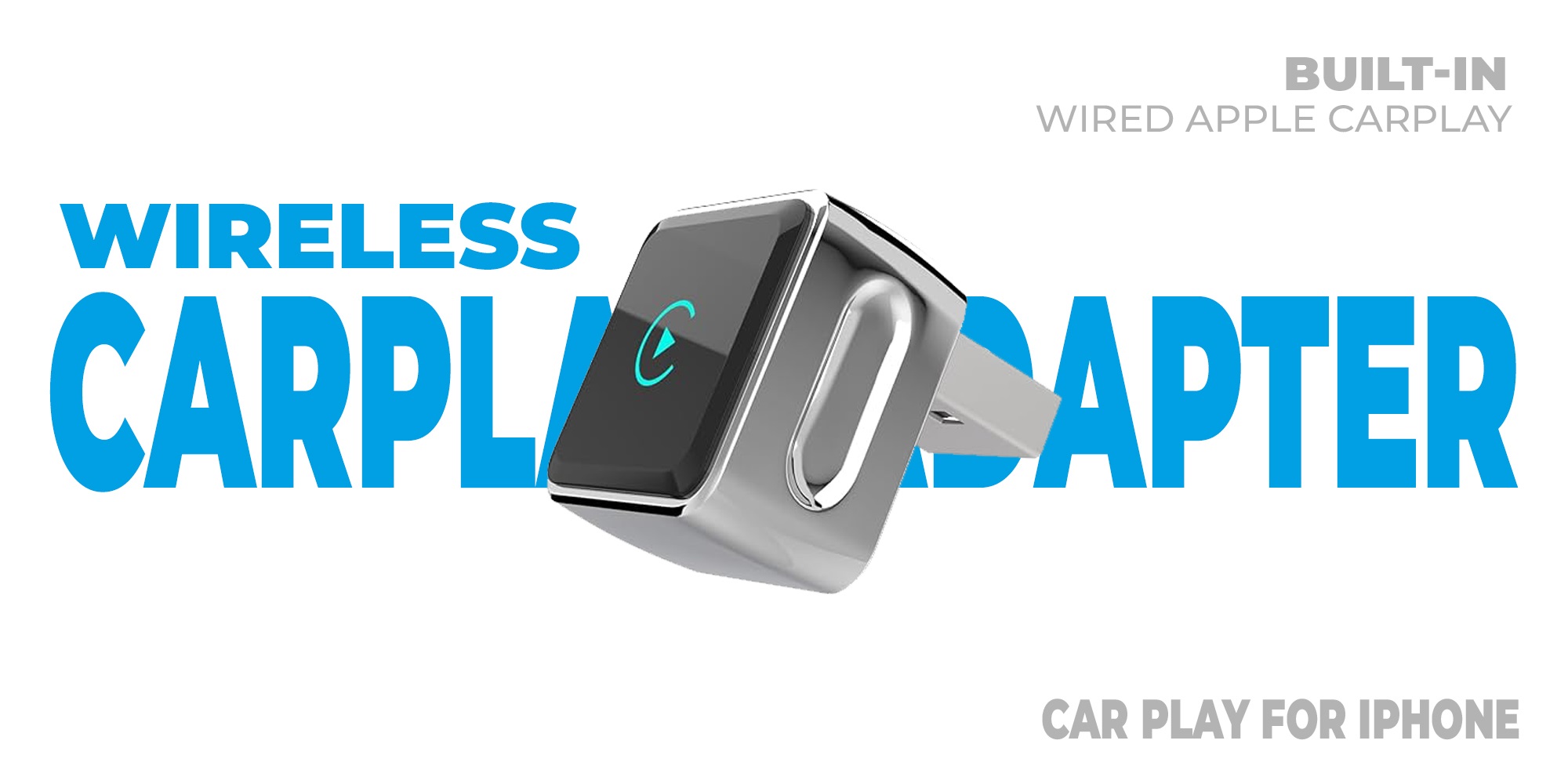
Wireless CarPlay Adapter 2025 for iPhone
5.8 GHz WiFi & Bluetooth. First connect in 10s, auto-connect in 3s. Up to 3x faster than other adapters.
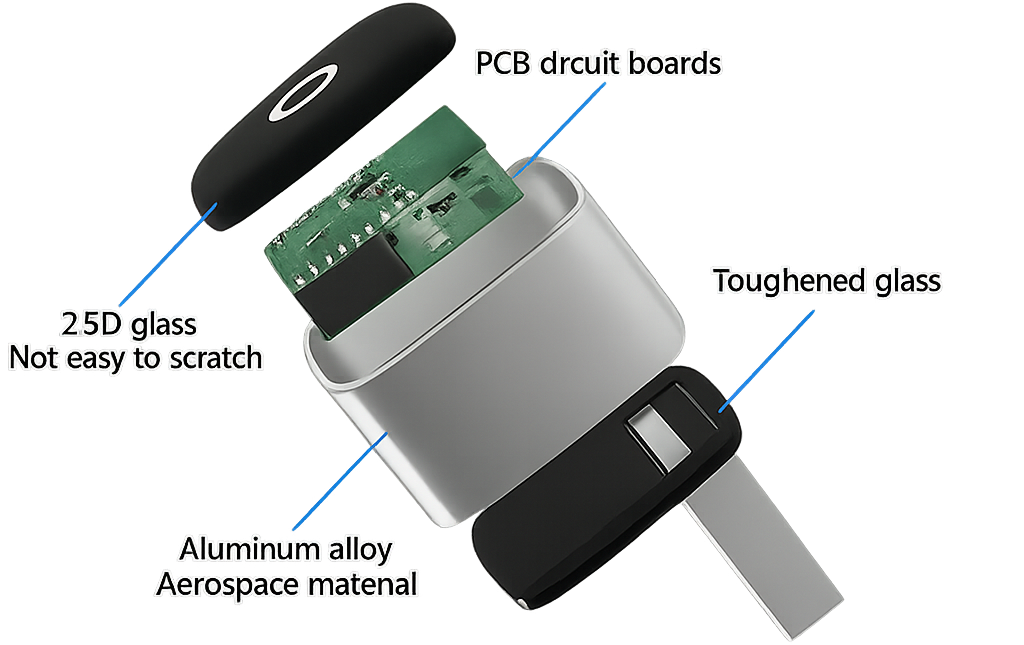
Engineered for Strength & Precision
Every detail is crafted for perfection — from aerospace-grade aluminum alloy to scratch-resistant 2.5D glass. With reinforced toughened glass and advanced circuitry, this device blends durability with elegance.
LIGHTNING-FAST CONNECTIVITY
Latest 5.8 GHz WiFi and Bluetooth technology. First connection in 10 seconds, and subsequently auto-connects in 3 seconds.3x faster transmission speeds than other adapters.Seamless navigation, music, calls, and messaging via Siri or touchscreen.
STABLE AND CONVENIENT CONNECTION
Wireless design eliminates cable-related issues.Auto-activates CarPlay when starting your car.Stable, low-latency connection between your iPhone and vehicle. No need to plug/unplug phone or risk forgetting it in the car.
DURABLE AND SAFE DESIGN
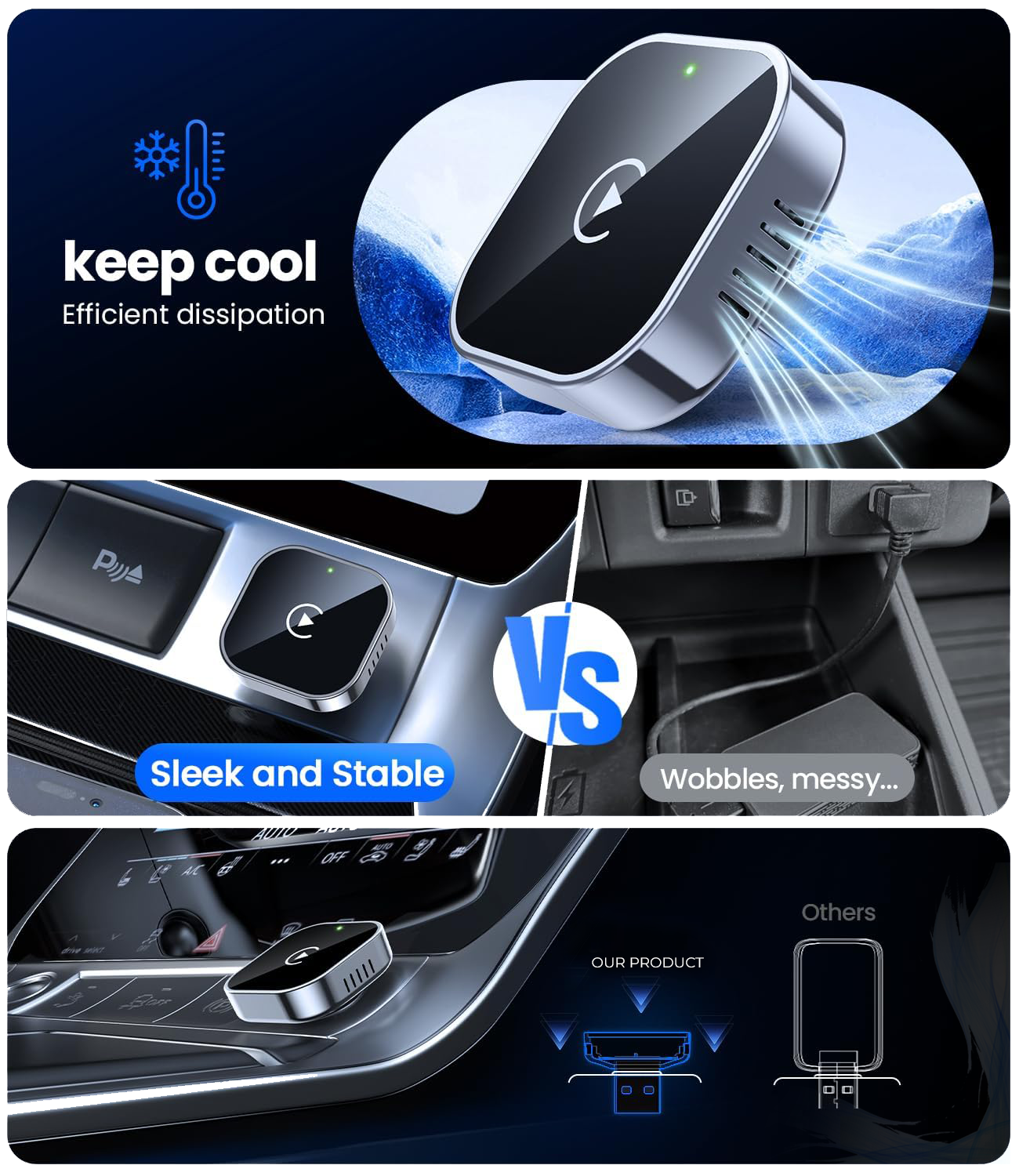
Improved heat dissipation, preventing overheating.Tested for 10,000+ insertions with 100% USB port compatibility. 75% smaller size fits narrow car slots.Includes USB-A and USB-C extension cables.
EFFORTLESS WIRELESS CARPLAY EXPERIENCE
Compatible with cars supporting wired CarPlay. Enjoy all wired CarPlay apps and controls wirelessly.Provides a cleaner, cable-free car interior.
About Us
Ultra Compact Wireless CarPlay Adapter 2025 for iPhone – Fast & Stable 5GHz WiFi, Converts Wired to Wireless, Plug & Play, No Delay, Auto Reconnect, USB-A/USB-C, for Cars 2016+, iOS 10+


Frequently Asked Questions
What is The Stories Book about?
This exquisite compilation showcases a diverse array of photographs that capture the essence of different eras and cultures, reflecting the unique styles and perspectives of each artist.
How much does The Stories Book cost?
This exquisite compilation showcases a diverse array of photographs that capture the essence of different eras and cultures, reflecting the unique styles and perspectives of each artist.
When will The Stories Book be released?
This exquisite compilation showcases a diverse array of photographs that capture the essence of different eras and cultures, reflecting the unique styles and perspectives of each artist.
Are signed copies available?
This exquisite compilation showcases a diverse array of photographs that capture the essence of different eras and cultures, reflecting the unique styles and perspectives of each artist.

Customer Support
Contact us via live-chat, email, and phone call

Warranty
Local warranty policy protection
is provided

User Guide
Find and download your Wingoo product user guide
Have any question?
Your email address will not be published. Required field are marked*